

Lifestyle Changes that Improve Sleep Quality: A Comprehensive Guide
Share this:
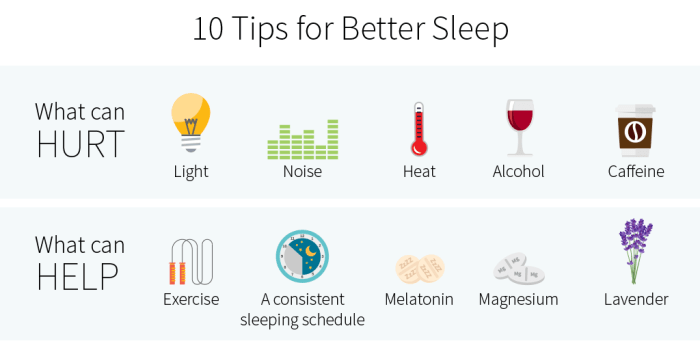
Embark on a journey towards better sleep with lifestyle changes that make a significant impact. From diet and exercise to stress management and sleep routines, discover the key factors that can enhance your sleep quality.
Explore the intricate relationship between your daily habits and the quality of your sleep, and unlock the secrets to a restful night's sleep.
Lifestyle Changes Overview
Improving sleep quality through lifestyle changes is essential for overall health and well-being. By making adjustments to certain habits and routines, individuals can experience better sleep patterns and enhanced restorative rest.
Key lifestyle factors that can significantly impact sleep quality include:
Diet
- Avoiding heavy meals close to bedtime
- Limiting caffeine and alcohol consumption
- Incorporating sleep-friendly foods like cherries, almonds, and whole grains
Exercise
- Engaging in regular physical activity to promote better sleep quality
- Avoiding vigorous exercise too close to bedtime
- Establishing a consistent exercise routine
Sleep Environment
- Creating a comfortable and relaxing sleep environment
- Regulating room temperature and ensuring proper ventilation
- Minimizing noise and light disturbances
Stress Management
- Practicing relaxation techniques like meditation or deep breathing exercises
- Establishing a bedtime routine to unwind and de-stress
- Seeking professional help if stress and anxiety significantly impact sleep
Diet and Nutrition
When it comes to sleep quality, diet plays a crucial role in influencing how well we rest. Certain foods can promote better sleep, while others can disrupt our sleep patterns. Making the right choices in our diet can significantly impact the quality of our sleep.
Foods that Promote Better Sleep
Having a balanced diet that includes foods known to improve sleep can help enhance our overall sleep quality. Some examples of foods that promote better sleep include:
- Fatty fish like salmon, tuna, and mackerel, rich in omega-3 fatty acids and vitamin D.
- Nuts and seeds such as almonds, walnuts, flaxseeds, and chia seeds, containing magnesium and melatonin.
- Whole grains like brown rice, quinoa, and oats, providing complex carbohydrates that can aid in sleep regulation.
- Leafy greens such as spinach and kale, high in minerals like calcium and magnesium that support relaxation.
- Chamomile tea, known for its calming and sedative effects that can help with insomnia.
Meal Timings for Improved Sleep
Aside from choosing the right foods, the timing of our meals can also impact our sleep quality. Here are some tips on meal timings for improved sleep:
- Avoid heavy meals and spicy foods close to bedtime, as they can cause indigestion and disrupt sleep.
- Try to have dinner at least 2-3 hours before bedtime to allow for proper digestion.
- Consider having a light snack before bed if you're feeling hungry, but avoid sugary or high-fat snacks.
- Stay hydrated throughout the day, but limit fluid intake before bedtime to prevent frequent trips to the bathroom during the night.
Exercise and Physical Activity
Regular physical activity has been shown to have a positive impact on sleep quality. Exercise helps to regulate the body's internal clock and can promote a deeper and more restful sleep.
Best Types of Exercises for Enhancing Sleep
- Aerobic exercises such as walking, running, cycling, or swimming can improve sleep quality by reducing the time it takes to fall asleep and increasing the duration of deep sleep.
- Strength training exercises, like weightlifting or resistance training, can also help improve sleep patterns by promoting muscle recovery and overall physical health.
- Yoga and stretching exercises can be beneficial for relaxation and reducing stress, which can in turn aid in better sleep.
Ideal Timing of Physical Activity for Better Sleep
Regular exercise is beneficial for sleep, but the timing of physical activity can also impact sleep quality. It is generally recommended to avoid vigorous exercise close to bedtime, as it can be stimulating and affect the ability to fall asleep.
Instead, aim to exercise earlier in the day, preferably in the morning or afternoon, to allow the body to wind down and prepare for sleep later in the evening.
Sleep Environment
Creating a conducive sleep environment is crucial for improving sleep quality. The environment in which you sleep can have a significant impact on your ability to fall asleep quickly, stay asleep throughout the night, and wake up feeling rested and refreshed.
Impact of Light, Noise, and Temperature
- Avoid exposure to bright lights, especially blue light from electronic devices, before bedtime. This type of light can disrupt your body's natural sleep-wake cycle.
- Consider using blackout curtains or a sleep mask to block out any excess light in your bedroom.
- Keep noise levels to a minimum by using earplugs or a white noise machine if you live in a noisy environment.
- Maintain a comfortable temperature in your bedroom. A cool room (around 60-67 degrees Fahrenheit) is usually ideal for most people.
Stress Management
Managing stress is crucial for improving sleep quality as stress can significantly impact our ability to fall asleep and stay asleep. When we are stressed, our body releases cortisol, a stress hormone that can interfere with the natural sleep-wake cycle.
This disruption can lead to difficulty falling asleep, staying asleep, or achieving restful sleep.
Relaxation Techniques for Better Sleep
- Practice deep breathing exercises: Deep breathing can help calm the mind and body, making it easier to relax before bedtime.
- Try progressive muscle relaxation: This technique involves tensing and then relaxing different muscle groups in the body, promoting physical relaxation.
- Engage in mindfulness meditation: Mindfulness meditation can help reduce stress and promote a sense of calm, making it easier to drift off to sleep.
Importance of Mental Well-being in Improving Sleep Quality
Ensuring good mental well-being is essential for improving sleep quality. When we take care of our mental health, we are better equipped to handle stress and anxiety, leading to improved sleep patterns. Practices such as mindfulness, gratitude journaling, and seeking professional help when needed can all contribute to better mental well-being and, consequently, better sleep quality.
Sleep Routine and Habits
Establishing a consistent sleep routine and healthy habits can significantly improve the quality of your sleep and overall well-being. By following a bedtime routine and sticking to good habits, you can ensure that you get the restful sleep your body needs to function at its best.
Benefits of a Consistent Sleep Routine
A consistent sleep routine helps regulate your body's internal clock, known as the circadian rhythm, which governs your sleep-wake cycle. By going to bed and waking up at the same time every day, you can train your body to fall asleep more easily and experience deeper, more restorative sleep.
Tips for Establishing Healthy Sleep Habits
- Avoid caffeine, nicotine, and alcohol close to bedtime as they can disrupt your sleep.
- Create a relaxing bedtime routine, such as reading a book or taking a warm bath, to signal to your body that it's time to wind down.
- Ensure your bedroom is conducive to sleep by keeping it cool, dark, and quiet.
- Avoid screens (phones, tablets, computers) at least an hour before bed as the blue light can interfere with your body's production of melatonin, a sleep-inducing hormone.
- Exercise regularly, but not too close to bedtime, to promote better sleep quality.
Importance of a Bedtime Routine for Better Sleep
A bedtime routine helps signal to your body that it's time to sleep, creating a sense of predictability and relaxation that can improve your sleep quality. By engaging in calming activities before bed, you can reduce stress and anxiety, making it easier to fall asleep and stay asleep throughout the night.
Technology Use
Technology has become an integral part of our daily lives, but its impact on sleep quality is often underestimated. The use of electronic devices before bedtime can disrupt our natural sleep-wake cycle, making it harder to fall asleep and stay asleep.
Here are some tips for reducing screen time before bed and creating a tech-free bedtime routine.
Reducing Screen Time Before Bed
Before bedtime, it's important to limit exposure to screens such as smartphones, tablets, computers, and televisions. The blue light emitted by these devices can interfere with the production of melatonin, a hormone that regulates sleep.
- Avoid using electronic devices at least an hour before bedtime to allow your brain to wind down.
- Use apps or settings that reduce blue light emission on your devices in the evening.
- Consider reading a physical book or practicing relaxation techniques instead of scrolling through social media.
Creating a Tech-Free Bedtime Routine
Incorporating tech-free activities into your bedtime routine can help signal to your body that it's time to relax and prepare for sleep. Here are some ways to create a tech-free bedtime routine:
- Try a relaxing bedtime yoga or meditation practice to calm your mind and body.
- Opt for a warm bath or shower to help you unwind before bedtime.
- Listen to calming music or white noise to block out distractions and promote relaxation.
Final Thoughts
In conclusion, by incorporating these lifestyle changes into your daily routine, you can pave the way for improved sleep quality and overall well-being. Take the first step towards better sleep today and experience the transformative benefits it brings to your life.
Question Bank
How does stress affect sleep quality?
Stress can disrupt sleep patterns and lead to insomnia. Managing stress through relaxation techniques can significantly improve sleep quality.
What are some examples of foods that promote better sleep?
Foods like nuts, warm milk, and kiwi contain sleep-promoting properties that can help you fall asleep faster and improve sleep quality.
Why is a consistent sleep routine important?
A consistent sleep routine helps regulate your body's internal clock, making it easier to fall asleep and wake up at the same time each day, ultimately enhancing sleep quality.