

The impact of digital lifestyle on mental health: Understanding the Connection
Share this:

Exploring the intricate relationship between digital lifestyle and mental health, this article delves into the effects of our online habits on our well-being. As technology becomes more integrated into our daily lives, it's crucial to understand how it influences our mental health.
From the positive impacts to the negative consequences, we'll navigate through the complexities of this issue and provide insights on coping mechanisms for a healthier digital life.
Introduction
In today's fast-paced world, the digital lifestyle has become increasingly prevalent, shaping the way we live, work, and interact. This lifestyle encompasses various components such as social media, online entertainment, remote work, and digital communication tools.
Mental health, on the other hand, refers to our emotional, psychological, and social well-being. It is crucial for our overall functioning and quality of life. Maintaining good mental health is essential for coping with stress, relating to others, and making decisions.
The Impact of Digital Lifestyles on Mental Health
With the rise of digital lifestyles, there is growing concern about the potential impact on mental health. Excessive screen time, constant connectivity, cyberbullying, and information overload are just some of the factors that can contribute to stress, anxiety, depression, and other mental health issues.
Positive Effects of Digital Lifestyle
Digital tools have the potential to positively impact mental health in various ways. From promoting self-care to providing access to support systems, the digital world offers a wide range of resources to enhance overall well-being.
Online Communities for Support
Online communities play a crucial role in offering support and reducing feelings of isolation for individuals struggling with mental health issues. Platforms like support groups, forums, and social media channels create spaces for people to connect, share experiences, and offer encouragement to one another.
Enhanced Access to Mental Health Services
Digital resources have revolutionized access to mental health services, making it easier for individuals to seek help when needed. Teletherapy, mental health apps, and online counseling services have made professional support more accessible and convenient for those who may have barriers to traditional in-person care.
Negative Effects of Digital Lifestyle
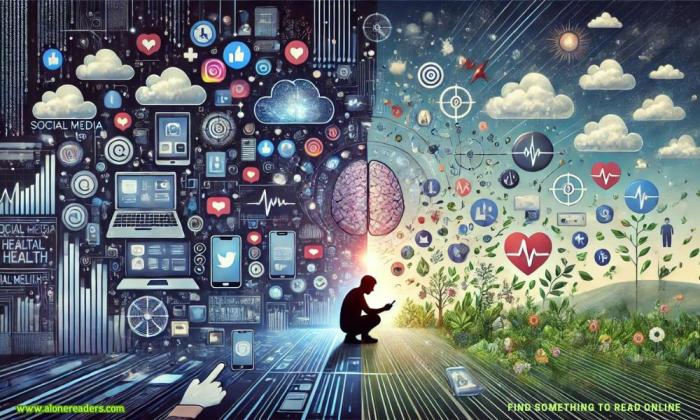
In today's digital age, the overuse of technology can have detrimental effects on our mental health. From social media pressures to excessive screen time, various factors contribute to mental health issues in relation to digital lifestyles.
Impact of Social Media on Self-Esteem and Mental Well-Being
Social media platforms have become a prominent part of our daily lives, allowing us to connect with others and share our experiences. However, the constant exposure to carefully curated posts and images can lead to negative comparisons and feelings of inadequacy.
This can significantly impact self-esteem and mental well-being, causing anxiety, depression, and other psychological issues.
Consequences of Excessive Screen Time on Mental Health
The digital world offers endless entertainment and information at our fingertips, leading many individuals to spend hours on end in front of screens. Excessive screen time has been linked to various mental health problems, including sleep disturbances, eye strain, and decreased social interactions.
This sedentary behavior can also contribute to feelings of isolation and loneliness, exacerbating existing mental health conditions.
Coping Mechanisms
In today's digital age, it is crucial for individuals to implement coping mechanisms to strike a balance between their digital engagement and mental well-being. Setting boundaries and practicing mindfulness are essential strategies to mitigate the negative impact of technology on mental health.
Setting Boundaries
Setting boundaries in a digital lifestyle is vital for protecting mental health. This can include establishing designated times for technology use, such as turning off devices an hour before bedtime to promote better sleep quality. Additionally, setting limits on screen time during work hours and incorporating regular breaks can help prevent burnout and reduce feelings of overwhelm.
Mindfulness Practices
Mindfulness practices involve being fully present in the moment and can help individuals manage stress and anxiety associated with technology use. Techniques such as deep breathing exercises, meditation, and yoga can promote relaxation and mental clarity. By incorporating mindfulness into daily routines, individuals can cultivate a greater sense of self-awareness and reduce the impact of digital distractions on their mental well-being.
Digital Detox
A digital detox involves taking a break from technology to recharge and reconnect with the physical world. This can be done by setting aside designated periods of time each day or week to unplug from devices and engage in offline activities.
Spending time in nature, pursuing hobbies, and connecting with loved ones face-to-face can help individuals recalibrate and reduce the negative effects of constant digital stimulation on mental health.
Closing Notes
In conclusion, balancing our digital engagement with mental well-being is essential in today's tech-driven world. By setting boundaries, seeking support, and practicing mindfulness, we can mitigate the potential negative impact of our digital lifestyle on our mental health.
FAQ Resource
How can excessive screen time affect mental health?
Excessive screen time can lead to issues like eye strain, poor sleep quality, and increased feelings of anxiety or depression due to constant exposure to digital content.
What are some strategies to maintain a healthy balance between digital engagement and mental well-being?
Setting limits on screen time, taking regular breaks, engaging in offline activities, and practicing mindfulness are effective ways to balance digital usage with mental health.
How does social media impact self-esteem and mental well-being?
Social media can contribute to negative self-comparisons, feelings of inadequacy, and a distorted sense of reality, affecting self-esteem and overall mental well-being.