

7 Things You Should Know Before Buying an Extended Car Warranty
Share this:
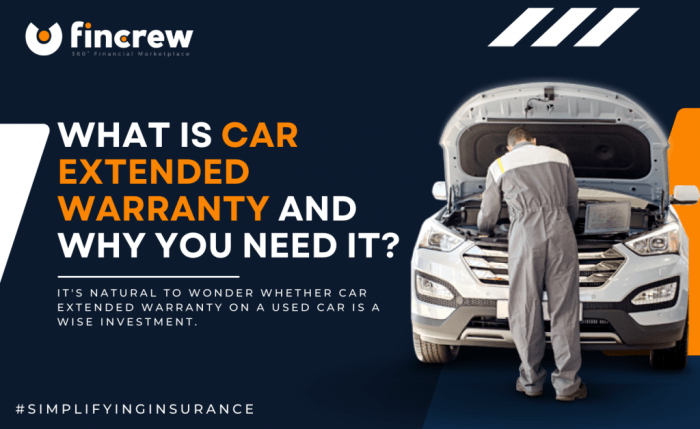
When it comes to purchasing an extended car warranty, being informed is key. Let's dive into the essential information you need to know before making this important decision.
From understanding coverage details to navigating the claims process, this guide will equip you with valuable insights to make the right choice for your vehicle.
Research Extended Car Warranties

When considering purchasing an extended car warranty, it is essential to understand the different types available and the benefits they offer. Conducting thorough research can help you make an informed decision that aligns with your needs and budget.
Types of Extended Car Warranties
- Manufacturer Extended Warranty: This type of warranty is offered by the vehicle's manufacturer and provides coverage for specific components or systems for an extended period beyond the standard warranty.
- Third-Party Extended Warranty: These warranties are offered by third-party companies and typically provide more customizable coverage options compared to manufacturer warranties.
Key Benefits of Purchasing an Extended Car Warranty
- Peace of Mind: An extended car warranty can provide peace of mind by covering unexpected repair costs, giving you financial security.
- Extended Coverage: With an extended warranty, you can extend the coverage on your vehicle beyond the manufacturer's warranty, protecting you from potential repair expenses.
- Added Value: Having an extended warranty can increase the resale value of your vehicle, as it shows potential buyers that the car is well-maintained and protected.
Cost Comparison
When weighing the cost of an extended car warranty against potential repair expenses without one, it is crucial to consider the average cost of repairs for your vehicle make and model. By comparing the cost of the warranty to potential repair bills, you can determine if investing in an extended warranty is a financially prudent decision.
Coverage Details
When considering an extended car warranty, it is crucial to understand what is typically covered and what might be excluded. This information can help you make an informed decision and avoid any surprises down the road.Extended car warranties usually cover components like the engine, transmission, suspension, and electrical systems.
They can also include benefits such as roadside assistance, rental car reimbursement, and trip interruption coverage. These warranties provide peace of mind by protecting you from unexpected repair costs after the manufacturer's warranty expires.
What is Covered
- Engine: Covers major components like the cylinder block, cylinder head, and internal parts.
- Transmission: Includes the torque converter, gears, and other internal components.
- Suspension: Covers parts like the shock absorbers, struts, and control arms.
- Electrical Systems: Includes coverage for the starter, alternator, and other electrical components.
Common Exclusions
- Regular Maintenance: Routine services like oil changes, tire rotations, and brake pads are typically not covered.
- Wear and Tear: Normal wear and tear on components may not be covered under the warranty.
- Pre-Existing Conditions: Any issues that existed before purchasing the warranty may not be covered.
Benefits of Extended Car Warranties
Extended car warranties can be particularly beneficial in situations where unexpected repairs could put a strain on your finances. For example, if your car's transmission suddenly fails after the manufacturer's warranty has expired, having an extended warranty can save you from a hefty repair bill.
Additionally, if you rely on your vehicle for daily transportation or long road trips, the added peace of mind from having warranty coverage can be invaluable.
Warranty Provider Reputation
When considering purchasing an extended car warranty, one of the crucial factors to examine is the reputation of the warranty provider. A reputable company will offer reliable coverage and excellent customer service, providing you with peace of mind knowing that your vehicle is in good hands.
Identifying Reputable Companies
- Look for well-known and established companies in the extended car warranty industry, such as Endurance, CarShield, or CARCHEX.
- Read customer reviews and ratings on trusted websites like the Better Business Bureau (BBB) or Consumer Affairs to gauge the reputation of the warranty provider.
- Seek recommendations from friends, family, or automotive professionals who have experience with extended car warranties.
Researching and Evaluating Reputation
- Check for any complaints or negative feedback about the warranty provider to ensure they have a good track record of fulfilling claims and providing quality service.
- Look for industry certifications or affiliations that demonstrate the credibility and trustworthiness of the warranty provider.
- Compare the coverage options, pricing, and customer reviews of different warranty providers to make an informed decision.
Importance of Choosing a Reliable Provider
- Opting for a reputable warranty provider ensures that your claims will be handled efficiently and fairly, giving you peace of mind during unexpected repairs.
- A reliable warranty provider will offer transparent terms and conditions, preventing any surprises or hidden fees when it comes time to use your coverage.
- By choosing a trusted company, you can avoid the hassle of dealing with unresponsive customer service or denied claims, saving you time and frustration in the long run.
Transferability and Cancellation
When it comes to extended car warranties, it's important to consider whether they are transferable to a new owner and what the process is for canceling the warranty if needed.
Transferability to a New Owner
Extended car warranties are often transferable to a new owner, but it's essential to check the specific terms and conditions of the warranty. Some warranties may require a transfer fee, while others may allow for a seamless transfer of coverage to the new owner.
Cancellation Process
If you find yourself in a situation where you need to cancel your extended car warranty, the process can vary depending on the warranty provider. Typically, you will need to contact the warranty provider directly to initiate the cancellation. Be prepared to provide specific information about your vehicle and the warranty contract.
Fees and Penalties
When canceling an extended car warranty, there may be fees or penalties associated with the cancellation. These fees can vary widely depending on the provider and the terms of the warranty contract. It's crucial to review the terms and conditions of your warranty to understand any potential costs associated with canceling the coverage.
Fine Print and Terms
When purchasing an extended car warranty, it is crucial to pay close attention to the fine print and terms of the agreement. These details can significantly impact your coverage and overall experience with the warranty. Here are some important points to consider:
Importance of Reading Fine Print
- Always read the fine print carefully to understand what is covered and what is not under the warranty.
- Pay attention to exclusions, limitations, and conditions that may affect your ability to make a claim.
- Clarify any ambiguous terms or language with the warranty provider to avoid misunderstandings later on.
Tips for Understanding Terms and Conditions
- Look for a clear Artikel of coverage details, including parts, labor, and any additional benefits.
- Understand the duration of the warranty, including start and end dates, as well as any mileage restrictions.
- Be aware of any deductibles or out-of-pocket expenses you may be responsible for when filing a claim.
Common Misconceptions and Pitfalls
- Avoid assuming all warranties offer the same coverage - each plan may vary in terms and conditions.
- Watch out for hidden fees, such as administration costs or transfer fees, that may not be clearly stated upfront.
- Beware of clauses that could void your warranty, such as failure to adhere to maintenance schedules or using unauthorized repair shops.
Maintenance Requirements
When considering an extended car warranty, it is important to understand how regular maintenance can impact the validity of your coverage. Failure to adhere to specific maintenance requirements Artikeld in the warranty agreement could potentially void certain aspects of your coverage.
Specific Maintenance Requirements in Extended Warranty Agreements
- Regular oil changes: Many extended warranties require proof of regular oil changes to maintain coverage. Failure to follow the recommended oil change schedule could result in denial of certain claims related to engine issues.
- Tire rotations and alignments: Some warranties may specify the need for regular tire rotations and alignments to ensure coverage for suspension or steering components.
- Fluid checks and replacements: Maintaining proper fluid levels and replacing fluids as recommended is often a requirement to prevent damage to critical engine components.
Examples of How Neglecting Maintenance Could Affect Warranty Coverage
- If your warranty stipulates that you must have your vehicle serviced at regular intervals and you fail to do so, the warranty provider may deny coverage for related repairs.
- Neglecting to address warning lights or unusual sounds that indicate potential issues could lead to a claim being rejected if the problem worsens due to lack of attention.
- If your vehicle experiences engine failure due to lack of proper maintenance, the warranty may not cover the cost of repairs if it is determined that negligence contributed to the issue.
Claims Process
When it comes to making a claim under an extended car warranty, there are specific steps you need to follow to ensure a smooth process and maximize your benefits.
Steps for Making a Claim
- Contact the warranty provider: Once you encounter an issue covered by your extended warranty, reach out to the warranty provider as soon as possible. They will guide you on the next steps to take.
- Provide necessary documentation: Be prepared to submit relevant documents such as your warranty contract, vehicle information, maintenance records, and proof of the issue you are experiencing.
- Get an authorization: Before proceeding with any repairs, make sure to get authorization from the warranty provider. Failure to do so may result in the denial of your claim.
- Choose an approved repair facility: In most cases, you will need to take your vehicle to an authorized repair facility specified by the warranty provider to have the issue addressed.
- Pay any applicable deductibles: Depending on your warranty coverage, you may be required to pay a deductible for the repairs. Make sure to clarify this with the warranty provider beforehand.
- Review the repairs: Once the repairs are completed, review the work done to ensure it meets the standards Artikeld in your warranty agreement.
- Submit any final documentation: After the repairs are completed, submit any final documentation required by the warranty provider to process your claim.
Tips for a Smooth Claims Process
- Keep detailed records: Maintain thorough records of your vehicle maintenance and any repairs done outside of warranty coverage. This will help support your claim in case of any disputes.
- Follow the warranty guidelines: Adhere to the terms and conditions Artikeld in your warranty agreement to prevent any delays or denials in the claims process.
- Communicate clearly: Ensure clear communication with the warranty provider and repair facility to avoid misunderstandings and expedite the resolution of your claim.
Common Challenges during Claims Process
- Denial of claim due to lack of maintenance records: Failure to provide proof of regular maintenance can result in the denial of your claim. Keep detailed records to avoid this issue.
- Delays in authorization: Sometimes, obtaining authorization for repairs can take time, leading to delays in getting your vehicle fixed. Stay in touch with the warranty provider to expedite this process.
- Disputes over repair costs: There may be disagreements over the cost of repairs or the extent of coverage provided by the warranty. Clarify any issues upfront to avoid conflicts.
Wrap-Up
In conclusion, knowing these seven crucial aspects before buying an extended car warranty can save you time, money, and hassle down the road. Make sure to consider these factors carefully to protect your investment and enjoy peace of mind on the road ahead.
FAQ Summary
Are extended car warranties worth it?
Extended car warranties can be beneficial for individuals who want added protection and peace of mind against unexpected repair costs. However, it's essential to weigh the cost against potential benefits based on your specific situation.
Can I cancel an extended car warranty?
Extended car warranties are often cancelable, but the process and associated fees can vary depending on the provider. It's crucial to review the terms of your warranty agreement to understand the cancellation policy.
What happens if I don't maintain my car according to the warranty requirements?
Failure to adhere to the maintenance requirements specified in your extended car warranty agreement could potentially void the coverage. It's important to stay up to date on regular maintenance to ensure your warranty remains valid.
How long do extended car warranties typically last?
Extended car warranties can vary in duration, but they often range from a few years to tens of thousands of miles. It's crucial to understand the specific terms and length of coverage provided by your warranty.