

Car Warranty Scams: How to Identify and Avoid Them
Share this:
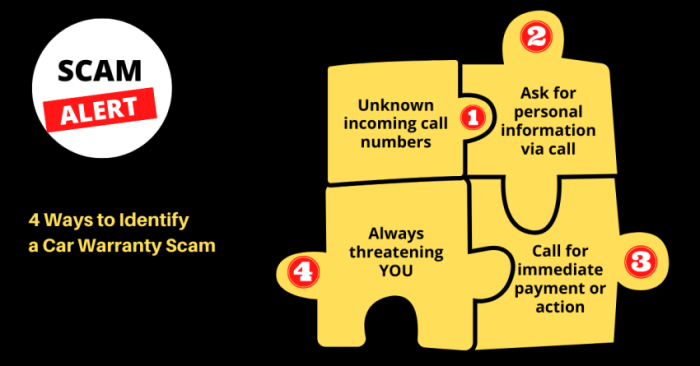
Exploring the realm of car warranty scams, this article sheds light on the deceptive practices to watch out for and ways to steer clear of potential traps. Get ready for an eye-opening journey through the world of automotive fraud.
The following paragraphs delve into the specifics of identifying, avoiding, and dealing with car warranty scams to equip you with the knowledge needed to protect yourself.
What are Car Warranty Scams?
Car warranty scams are deceptive practices aimed at tricking car owners into purchasing unnecessary or fake extended warranties for their vehicles. These scams often target individuals through phone calls, emails, or even direct mail, claiming that their existing warranty is about to expire or has already expired, and offering a new warranty for a fee.
Common Tactics Used in Car Warranty Scams:
- High-pressure sales tactics: Scammers may use aggressive sales tactics to pressure car owners into making a quick decision without fully understanding the terms of the warranty.
- False sense of urgency: They often create a sense of urgency by claiming that the offer is only available for a limited time or that the warranty is about to expire, pushing individuals to act quickly.
- Unsolicited calls or emails: Scammers may reach out to car owners unsolicited, claiming to be from reputable companies or even the car manufacturer, offering warranties that are not legitimate.
Risks and Consequences of Falling for Car Warranty Scams:
- Financial Loss: Car owners who fall for these scams end up paying for warranties that are either fake or unnecessary, leading to financial loss.
- Identity Theft: Providing personal and financial information to scammers can put individuals at risk of identity theft and other fraudulent activities.
- No Coverage: In some cases, even if a warranty is purchased, it may not provide the promised coverage when needed, leaving car owners without the protection they thought they had.
How to Identify Car Warranty Scams
When dealing with car warranty offers, it's crucial to be aware of potential scams that could cost you money and cause unnecessary stress. Here are some tips to help you identify and avoid car warranty scams.
Scammers often use unsolicited calls or emails to reach out to potential victims. Be wary of any communication you did not initiate, especially if they pressure you to make a quick decision or provide personal information.
Red Flags to Look Out For:
- Unsolicited calls or emails offering extended warranties for your car.
- High-pressure tactics to make an immediate decision or provide payment.
- Requests for personal or financial information, such as your social security number or credit card details.
- Offers that sound too good to be true, such as extremely low prices for comprehensive coverage.
Creating a Sense of Urgency:
Scammers often create a sense of urgency to pressure victims into making impulsive decisions. They may claim that the offer is limited or that you will lose out on a great deal if you don't act quickly. Remember, legitimate companies will give you time to research and consider your options.
Verifying Legitimacy:
Before agreeing to any car warranty offer, take the time to research the company and verify their legitimacy. Check for reviews, contact information, and accreditation from reputable sources. If you have doubts, consult with a trusted mechanic or financial advisor before making any decisions.
Tips to Avoid Car Warranty Scams
When it comes to avoiding car warranty scams, it's crucial to be diligent and thorough in your research and assessment of the warranty provider. Taking the time to verify the credibility of the company and understand the terms and conditions can save you from falling victim to fraudulent schemes.
Researching Companies Offering Extended Car Warranties
Before purchasing an extended car warranty, it's essential to research the companies offering these services. Look for reputable companies with a proven track record of providing reliable warranties. Consider checking online reviews, ratings, and customer feedback to gauge the company's reputation.
Checking the Credibility of the Warranty Provider
Verify the credibility of the warranty provider by checking if they are registered and licensed to offer warranty services. You can also reach out to consumer protection agencies or regulatory bodies to inquire about any complaints or legal actions against the company.
A legitimate warranty provider should be transparent about their credentials and willing to provide you with the necessary information
Reading the Fine Print and Understanding the Terms and Conditions
One of the most critical steps in avoiding car warranty scams is reading the fine print of the warranty contract. Pay close attention to the terms and conditions, coverage limits, exclusions, and cancellation policies. Make sure you understand what is covered under the warranty and any additional costs or fees that may apply.
If there are any unclear or vague provisions, seek clarification from the warranty provider before making a decision.
What to Do if You Encounter a Car Warranty Scam
If you suspect that you are being targeted by a car warranty scam, it is important to take immediate action to protect yourself. Here are the steps to take if you encounter a car warranty scam:
Steps to Take if You Suspect You are Being Targeted by a Scam
- Do not provide any personal information or payment details to the scammer. Hang up the phone or delete any suspicious emails.
- Contact your car manufacturer or dealership directly to verify the legitimacy of the warranty offer.
- Report the scam to the Federal Trade Commission (FTC) or the Consumer Financial Protection Bureau (CFPB) to help prevent others from falling victim to the same scam.
- Consider placing a fraud alert on your credit report to protect yourself from identity theft.
How to Report Potential Scams to the Appropriate Authorities
- You can report potential car warranty scams to the FTC by visiting their website or calling their hotline.
- Provide as much detail as possible about the scam, including the phone number or email address of the scammer, the nature of the scam, and any other relevant information.
- If you believe you have been a victim of fraud, you can also report it to your local law enforcement agency.
Advice on Protecting Personal Information and Preventing Future Scams
- Avoid sharing personal information, such as your Social Security number or credit card details, with unknown callers or online entities.
- Be cautious of unsolicited offers and always verify the legitimacy of the company or individual contacting you before providing any information.
- Regularly monitor your credit report and financial accounts for any suspicious activity.
- Educate yourself and your loved ones about common scams and how to recognize and avoid them in the future.
Last Word
In conclusion, being vigilant and informed is key to safeguarding yourself from falling victim to car warranty scams. Stay alert, verify offers, and remember that knowledge is your best defense against these fraudulent schemes.
FAQs
What should I do if I receive an unsolicited call offering a car warranty?
If you receive such a call, it's best to hang up immediately. Legitimate companies don't engage in unsolicited calls for warranty offers.
How can I verify the credibility of a company offering extended car warranties?
You can research online reviews, check with the Better Business Bureau, and ask for references from the company to verify their legitimacy.
What steps should I take if I suspect I'm being targeted by a car warranty scam?
If you suspect a scam, don't provide any personal information. Report the incident to the appropriate authorities and consider blocking the caller or sender.