

What to Expect from Professional Garage Inspections: A Comprehensive Guide
Share this:
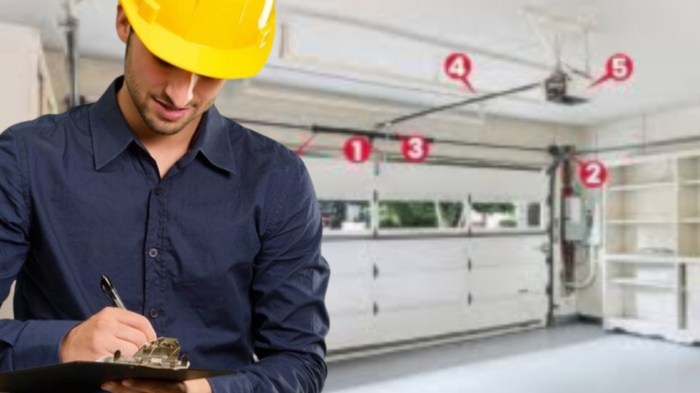
Exploring the realm of professional garage inspections, this guide aims to shed light on the crucial aspects homeowners should anticipate. From potential hazards to preventive measures, this comprehensive overview will provide valuable insights for those seeking professional inspection services.
Importance of Professional Garage Inspections
Professional garage inspections are essential for homeowners to ensure the safety and functionality of their garage space. These inspections are crucial in identifying potential hazards that may pose risks to the property and its occupants.
Potential Hazards Identified During Inspections:
- Electrical issues such as faulty wiring or outdated systems that can lead to fire hazards.
- Structural damage like cracks in the foundation, sagging beams, or weakened support columns that compromise the integrity of the garage.
- Mold and moisture problems that can cause health issues and damage to belongings stored in the garage.
- Improper ventilation or insulation that may result in poor air quality and energy inefficiency.
Preventing Costly Repairs in the Future:
By conducting professional garage inspections, homeowners can address issues early on before they escalate into costly repairs. Regular inspections can help identify minor problems and maintenance needs, allowing for timely repairs and improvements to be made. This proactive approach can save homeowners money in the long run by avoiding major repairs or replacements that result from neglecting the garage's upkeep.
What to Look for in a Professional Garage Inspector
When selecting a professional garage inspector, it is crucial to consider key qualifications that can ensure a thorough and reliable inspection process. Certifications, experience, credibility, and reputation play a significant role in determining the effectiveness of a garage inspector.
Key Qualifications
- Certifications: Look for inspectors who are certified by reputable organizations such as the International Association of Certified Home Inspectors (InterNACHI) or the American Society of Home Inspectors (ASHI). These certifications indicate that the inspector has met certain standards of knowledge and professionalism.
- Experience: Prior experience in the inspection industry is essential. Experienced inspectors are more likely to identify potential issues and provide accurate assessments of a garage's condition.
Importance of Certifications and Experience
- Certifications demonstrate that the inspector has undergone specific training and adheres to industry standards, ensuring a high level of competence.
- Experience allows inspectors to recognize common problems in garage structures and systems, enabling them to offer valuable insights and recommendations.
Verifying Credibility and Reputation
- Ask for references from past clients to gauge the inspector's performance and professionalism.
- Check online reviews and ratings to assess the inspector's reputation within the community.
- Inquire about the inspector's approach to inspections, communication style, and willingness to address client concerns.
Common Areas Inspected During a Professional Garage Inspection

When conducting a professional garage inspection, there are specific areas and components that inspectors typically focus on to ensure the safety and functionality of the garage. By thoroughly examining these areas, inspectors can identify any issues or defects that may need attention.
Garage Structure and Foundation
Inspectors will carefully examine the overall structure and foundation of the garage to check for any signs of damage, cracks, or structural integrity issues. This includes assessing the walls, floors, ceilings, and roof for any structural concerns that could compromise the safety of the garage.
Electrical Systems
The electrical systems in a garage are crucial for proper functioning and safety. Inspectors will inspect the wiring, outlets, switches, and lighting fixtures to ensure they are up to code and in good working condition. Common issues could include faulty wiring, overloaded circuits, or outdated electrical components.
Garage Door and Openers
The garage door and openers are essential components that need to be inspected during a professional inspection. Inspectors will check the operation of the garage door, its tracks, springs, and safety sensors to ensure they are functioning correctly. Issues like misaligned tracks, damaged springs, or malfunctioning sensors can pose safety risks.
Ventilation and Insulation
Proper ventilation and insulation are important for maintaining a comfortable and safe garage environment. Inspectors will assess the ventilation systems, such as vents or fans, to ensure adequate airflow. They will also check the insulation in the walls and ceiling to prevent energy loss and regulate temperature.
Storage and Organization
While not directly related to safety, inspectors may also evaluate the storage and organization of the garage. Cluttered or improperly stored items can pose fire hazards or impede safety in the event of an emergency. Inspectors may recommend better storage solutions to improve safety and functionality.
Importance of Thorough Inspections
Thorough inspections of both residential and commercial garages are crucial for identifying potential safety hazards, ensuring compliance with building codes, and maintaining the longevity of the garage structure and components. By addressing any issues early on, property owners can prevent costly repairs and ensure the safety of occupants using the garage.
Benefits of Regular Professional Garage Inspections
Regular professional garage inspections offer numerous benefits for homeowners and property managers. By scheduling routine inspections, individuals can prevent costly repairs, ensure the longevity of garage systems and equipment, and enhance the overall safety and security of the property.
Extended Lifespan of Garage Systems
Professional garage inspections help identify any potential issues or wear and tear on garage systems and equipment. By addressing these problems early on, regular inspections can prevent major breakdowns and extend the lifespan of the garage components. This proactive approach not only saves money on expensive repairs but also ensures that the garage operates efficiently for a longer period.
Enhanced Safety and Security
Regular inspections by trained professionals can help identify safety hazards in the garage, such as faulty wiring, structural damage, or malfunctioning door mechanisms. By addressing these safety concerns promptly, homeowners can create a safer environment for themselves and their families.
Additionally, ensuring that all garage systems are functioning properly can enhance the overall security of the property, protecting valuable assets stored in the garage.
Final Thoughts
In conclusion, understanding what to expect from professional garage inspections is key to maintaining the safety and functionality of your garage. By being proactive and informed, homeowners can address issues before they escalate, ultimately saving time and money in the long run.
Questions and Answers
What qualifications should I look for in a professional garage inspector?
Key qualifications to consider include proper certifications, relevant experience in the industry, and a solid reputation for thorough inspections.
How do regular professional garage inspections benefit homeowners?
Regular inspections help in maintaining the lifespan of garage systems, identifying issues early on, and ensuring overall safety and security of the property.
What are some common areas inspected during a professional garage inspection?
Inspectors typically examine components like garage doors, electrical systems, ventilation, and structural integrity to identify any potential hazards.