

Balanced lifestyle diet plans from Europe: A Culinary Journey to Health and Wellness
Share this:
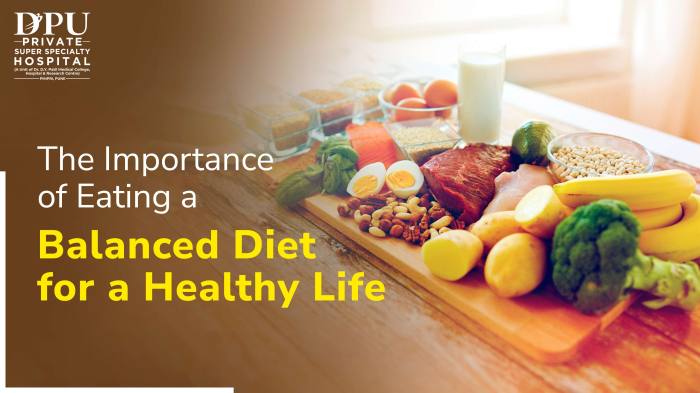
Balanced lifestyle diet plans from Europe offer a unique blend of tradition, nutrition, and flavorful ingredients that have stood the test of time. Dive into the world of European culinary practices that not only nourish the body but also celebrate cultural diversity and healthy living.
European Diet Traditions
In European diet traditions, there is a strong emphasis on fresh, seasonal ingredients, with a focus on balance and moderation. Meals are often centered around whole foods such as fruits, vegetables, whole grains, lean proteins, and dairy.Cultural influences play a significant role in European balanced lifestyle diets.
For example, Mediterranean countries like Italy and Greece are known for their emphasis on olive oil, fish, and fresh produce. Meanwhile, countries in Northern Europe may include more root vegetables, dairy, and seafood in their diets.
Popular European Ingredients
- Olive oil: Widely used in Mediterranean cuisine for its health benefits and rich flavor.
- Fish: A staple in many European diets, providing lean protein and essential omega-3 fatty acids.
- Cheese: Varieties like feta, mozzarella, and Gouda are commonly used in European dishes for added flavor and calcium.
- Whole grains: European diet plans often include whole grains like oats, barley, and quinoa for fiber and sustained energy.
- Fruits and vegetables: Fresh produce like tomatoes, cucumbers, berries, and leafy greens are key components of European balanced diets.
Nutrient-Rich Foods in European Diets
European diets are known for incorporating a variety of nutrient-rich foods that contribute to overall health and well-being. These foods are not only delicious but also offer numerous health benefits that help in promoting a balanced lifestyle.
Key Nutrient-Rich Foods in European Diet Plans
European diets often include the following key nutrient-rich foods:
- Fruits and Vegetables: European cuisine emphasizes the consumption of a wide range of fruits and vegetables, providing essential vitamins, minerals, and antioxidants.
- Whole Grains: Whole grains like oats, barley, and rye are commonly consumed in Europe, offering fiber, protein, and important nutrients.
- Fatty Fish: Fish such as salmon, mackerel, and herring are rich in omega-3 fatty acids, which are beneficial for heart health and brain function.
- Dairy Products: European diets often include dairy products like cheese, yogurt, and milk, providing calcium, protein, and other important nutrients.
- Olive Oil: Olive oil is a staple in Mediterranean cuisine and is rich in monounsaturated fats, which have been linked to numerous health benefits.
Health Benefits of Nutrient-Rich European Foods
The consumption of these nutrient-rich foods in European diets has been associated with various health benefits, including:
- Improved heart health and reduced risk of cardiovascular diseases
- Enhanced brain function and cognitive health
- Better digestion and overall gut health
- Reduced inflammation and oxidative stress in the body
Nutritional Value of European Foods vs. Other Global Cuisines
Compared to other global cuisines, European foods are often praised for their nutritional value and health benefits. The emphasis on fresh ingredients, whole foods, and balanced meals in European diets sets them apart from many other cuisines that may rely more heavily on processed foods and added sugars.
Meal Planning and Portion Control
Meal planning is a crucial aspect of European balanced lifestyle diets as it helps in ensuring a well-rounded and nutritious intake. Portion control techniques are also widely followed to maintain a healthy weight and promote overall well-being. Balancing different food groups in daily meals is key to meeting nutritional requirements and maintaining a healthy diet.
Strategies for Meal Planning
When planning meals in European balanced lifestyle diets, it is important to focus on incorporating a variety of nutrient-rich foods. Here are some strategies for effective meal planning:
- Include a mix of fruits, vegetables, whole grains, lean proteins, and healthy fats in each meal.
- Plan meals in advance to ensure a balanced intake of nutrients throughout the day.
- Consider cultural and regional food traditions when selecting ingredients for meals.
- Opt for homemade meals as they are typically healthier and allow for better portion control.
Portion Control Techniques
Portion control is a common practice in European diet plans to prevent overeating and maintain a healthy weight. Here are some techniques followed for portion control:
- Use smaller plates and bowls to help control portion sizes visually.
- Measure out servings of protein, carbohydrates, and fats to ensure balanced meals.
- Avoid eating directly from packages to prevent mindless snacking.
- Listen to your body's hunger and fullness cues to avoid overeating.
Tips for Balancing Different Food Groups
Balancing different food groups in daily meals is essential for meeting nutritional needs and promoting overall health. Here are some tips for achieving a well-rounded diet:
- Include a source of protein, such as lean meats, fish, eggs, or legumes, in each meal.
- Incorporate a variety of colorful fruits and vegetables to ensure a diverse range of nutrients.
- Choose whole grains like quinoa, brown rice, or whole wheat bread for fiber and sustained energy.
- Limit processed foods and sugary snacks, opting instead for whole, unprocessed options.
Culinary Techniques and Cooking Methods
Traditional European culinary techniques play a significant role in preparing balanced meals that are not only delicious but also nutritious. Cooking methods are crucial in maintaining a balanced lifestyle as they can affect the nutritional content of the food we consume.
European cooking styles are known for their emphasis on fresh ingredients, simple preparation methods, and the use of herbs and spices to enhance flavors without relying on heavy sauces or excessive fats.
Roasting and Grilling
Roasting and grilling are popular cooking methods in European cuisine as they allow for fat to drain away from the food while retaining its natural flavors. Meats, vegetables, and even fruits can be roasted or grilled to perfection, resulting in dishes that are both tasty and healthy.
Steaming and Boiling
Steaming and boiling are common techniques used in European kitchens to cook a variety of foods, including vegetables, seafood, and grains. These methods help retain the nutrients in the ingredients while keeping them moist and flavorful without the need for added fats.
Sautéing and Stir-Frying
Sautéing and stir-frying are quick and efficient cooking methods that are often used in European recipes to cook vegetables, meats, and grains. By using small amounts of healthy oils and high heat, these techniques ensure that the ingredients are cooked evenly and retain their natural textures and flavors.
Closure
Exploring the nuances of European diet traditions, nutrient-rich foods, meal planning strategies, and culinary techniques reveals a holistic approach to wellness that goes beyond just what's on the plate. Balanced lifestyle diet plans from Europe invite you to savor the essence of a healthy lifestyle rooted in centuries-old traditions.
Questions Often Asked
What are some traditional European diet plans?
Traditional European diet plans often include a variety of fresh vegetables, fruits, whole grains, lean proteins, and dairy products, emphasizing balance and moderation.
How do European cooking styles contribute to healthy eating habits?
European cooking styles often involve techniques like grilling, roasting, and steaming, which help retain nutrients and flavors in foods, promoting healthier meal choices.
What are some popular European ingredients used in balanced diet plans?
Popular European ingredients include olive oil, fish, nuts, seeds, yogurt, and a variety of herbs and spices that add depth and complexity to dishes while offering numerous health benefits.