

A Holistic Approach to Reducing Stress: Embracing Mind, Body, and Spirit
Share this:
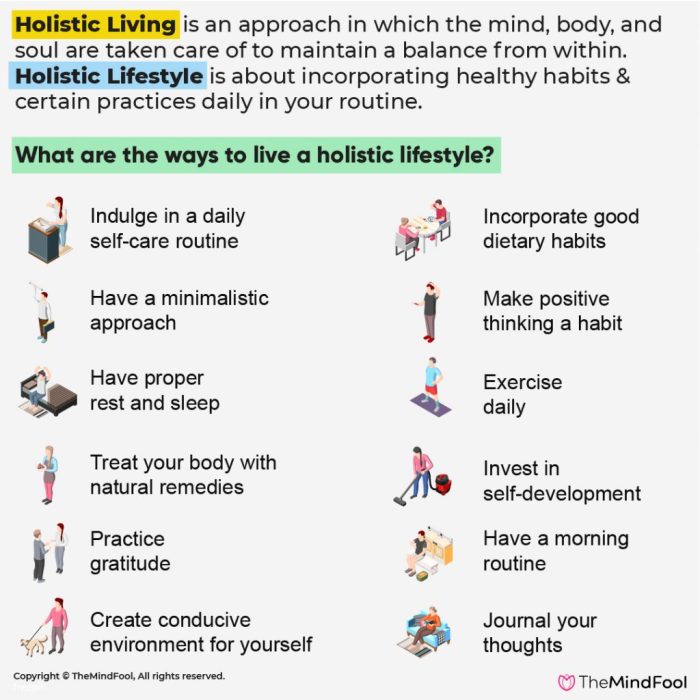
Embark on a journey towards a stress-free life with the holistic lifestyle approach to reduce stress. This comprehensive method focuses on nurturing not just the body, but also the mind and spirit, ultimately leading to a more balanced and fulfilling existence.
Dive into the world of holistic wellness and discover the transformative power it holds in combating stress.
Introduction to Holistic Lifestyle Approach
A holistic lifestyle approach encompasses the idea of treating the whole person - mind, body, and spirit - to achieve overall well-being. It focuses on addressing the root causes of stress rather than just the symptoms, leading to a more balanced and healthy life.
Benefits of a Holistic Approach to Reduce Stress
- Physical Health: By incorporating practices such as regular exercise, proper nutrition, and adequate sleep, a holistic approach can help reduce physical tension and improve overall health.
- Mental Well-being: Holistic methods like meditation, mindfulness, and counseling can address mental stressors, promote relaxation, and enhance mental clarity.
- Emotional Balance: Techniques such as journaling, art therapy, and emotional release exercises can help individuals process and manage their emotions effectively, reducing emotional strain.
- Spiritual Connection: Nurturing a sense of purpose, meaning, and connection to something greater than oneself can provide a source of comfort and strength during challenging times, reducing spiritual distress.
Mindfulness and Meditation
Mindfulness and meditation play a crucial role in reducing stress and promoting overall well-being. By incorporating these practices into a holistic lifestyle, individuals can cultivate a sense of calm, clarity, and resilience in the face of life's challenges.
Role of Mindfulness in Reducing Stress
Mindfulness involves paying attention to the present moment without judgment, which can help individuals become more aware of their thoughts, emotions, and bodily sensations. This increased awareness allows people to respond to stressors in a more balanced and thoughtful manner, reducing the impact of stress on both the mind and body.
Incorporating Meditation into a Holistic Lifestyle
Meditation practices, such as guided meditation, mindfulness meditation, and loving-kindness meditation, can be integrated into daily routines to promote relaxation and inner peace. By setting aside time for meditation, individuals can create a sense of calm and focus that carries over into other aspects of their lives.
Examples of Mindfulness Exercises for Stress Management
- Body Scan Meditation: This exercise involves systematically focusing on each part of the body, noticing any physical sensations or areas of tension, and then releasing that tension through deep breathing and relaxation.
- Deep Breathing Exercises: Taking slow, deep breaths can help activate the body's relaxation response, calming the mind and reducing stress levels.
- Walking Meditation: Practicing mindfulness while walking can help individuals stay present and grounded, focusing on each step and the sensations of movement to quiet the mind and reduce stress.
- Gratitude Journaling: Writing down things you are grateful for each day can shift your focus towards positivity and cultivate a sense of appreciation, reducing stress and promoting emotional well-being.
Physical Activity and Exercise
Regular physical activity is essential for reducing stress and improving overall well-being. Exercise helps release endorphins, which are known as the "feel-good" hormones, leading to a boost in mood and reduction in stress levels. It also helps in promoting better sleep, increasing energy levels, and enhancing focus and concentration.
Types of Exercises for Stress Reduction
- Yoga: Combines physical postures, breathing exercises, and meditation to help relax the mind and body.
- Cardiovascular exercises: Activities like running, cycling, or swimming help release tension and improve cardiovascular health.
- Strength training: Lifting weights or using resistance bands can help reduce stress by increasing muscle strength and endurance.
- Pilates: Focuses on core strength, flexibility, and body awareness to reduce stress and improve posture.
- Dance: Engaging in dance classes or routines can be a fun way to release stress and boost mood.
Benefits of Integrating Exercise into a Holistic Lifestyle
Regular exercise as part of a holistic lifestyle approach can significantly benefit overall well-being. It not only helps in managing stress but also improves physical health, mental clarity, and emotional stability. By incorporating different types of exercises into your routine, you can create a balanced and holistic approach to reducing stress and enhancing your quality of life.
Nutrition and Diet
Proper nutrition and diet play a crucial role in managing stress levels and promoting overall well-being. The foods we consume can impact our body's response to stress and influence our mental health
Connection between Diet and Stress Levels
A diet rich in whole foods, such as fruits, vegetables, whole grains, and lean proteins, can help regulate stress hormones and promote a sense of calm. On the other hand, consuming excessive amounts of processed foods, sugary snacks, and caffeine can contribute to increased stress levels and anxiety.
Stress-Reducing Foods and Nutrients
- Omega-3 fatty acids found in fatty fish like salmon and walnuts can reduce inflammation and improve mood.
- Complex carbohydrates in whole grains like oats and quinoa can increase serotonin levels, promoting relaxation.
- Leafy greens like spinach and kale are rich in magnesium, a mineral that helps regulate stress response.
- Probiotic-rich foods like yogurt and kefir can support gut health, which is linked to mood and mental health.
- Antioxidant-rich foods such as berries and dark chocolate can protect the body from stress-related damage.
Impact of a Balanced Diet on Stress Management
Eating a balanced diet that includes a variety of nutrients can support the body's ability to cope with stress and promote overall well-being. By nourishing our bodies with the right foods, we can improve our resilience to stress and enhance our mental clarity and focus within a holistic approach to stress management.
Sleep and Stress Management
Quality sleep plays a crucial role in reducing stress levels and promoting overall well-being. When we do not get enough restful sleep, our bodies and minds are unable to cope effectively with stressors, leading to increased feelings of anxiety and tension.
It is essential to prioritize sleep as part of a holistic approach to stress management.
Relationship Between Quality Sleep and Stress Reduction
Quality sleep allows our bodies to repair and regenerate, helping to reduce the effects of stress hormones like cortisol. When we are well-rested, our minds are clearer, and we are better equipped to handle challenging situations without feeling overwhelmed.
Tips for Improving Sleep Hygiene to Reduce Stress
- Avoid caffeine, nicotine, and heavy meals close to bedtime.
- Create a relaxing bedtime routine to signal to your body that it's time to wind down.
- Keep your bedroom cool, dark, and quiet to promote better sleep.
- Avoid screens and electronic devices at least an hour before bed to reduce exposure to blue light.
- Establish a consistent sleep schedule to regulate your body's internal clock.
Importance of Rest and Relaxation in Holistic Stress Management
Rest and relaxation are essential components of a holistic lifestyle for effectively managing stress. Taking time to unwind and recharge allows your body and mind to recover from the demands of daily life, promoting overall well-being. Incorporating relaxation techniques such as deep breathing, meditation, or gentle yoga can help reduce stress levels and improve sleep quality.
Final Review
In conclusion, adopting a holistic lifestyle approach to reduce stress is more than just a trend—it's a commitment to overall well-being. By integrating mindfulness, physical activity, nutrition, and quality sleep into your daily routine, you pave the way for a calmer, more resilient self.
Embrace the holistic way of life and watch as stress gradually fades into the background, making room for a brighter, more peaceful future.
Commonly Asked Questions
How does a holistic lifestyle approach differ from traditional methods of stress reduction?
A holistic lifestyle approach goes beyond just treating symptoms and addresses the root causes of stress by considering the interconnectedness of mind, body, and spirit.
Can mindfulness and meditation really help in reducing stress?
Absolutely. Mindfulness and meditation practices have been shown to lower stress levels by promoting relaxation, focus, and mental clarity.
What role does nutrition play in managing stress within a holistic approach?
Nutrition plays a crucial role in stress management, as certain foods and nutrients can either exacerbate or alleviate stress levels in the body.
How important is quality sleep in the context of stress reduction?
Quality sleep is essential for stress reduction, as it allows the body and mind to recharge, repair, and rejuvenate, leading to improved resilience against stress.