

How to Extend Engine Life with Routine Care: A Comprehensive Guide
Share this:
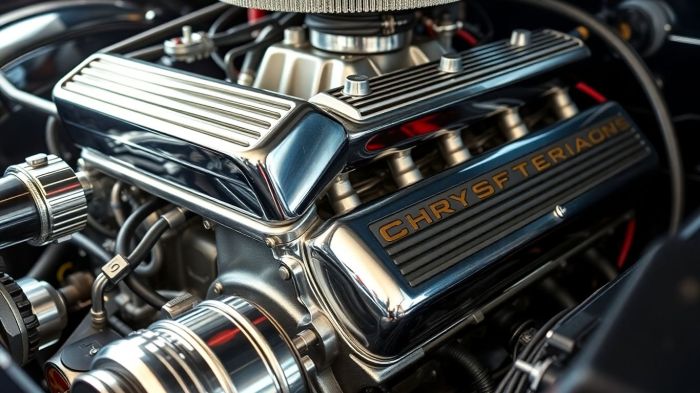
Embark on a journey to discover the secrets of prolonging your engine's lifespan through routine care. From oil changes to monitoring coolant levels, this guide will equip you with essential knowledge to keep your engine running smoothly for years to come.
Explore the key maintenance tasks and best practices that can make a significant difference in the longevity of your engine.
The Importance of Routine Care
Routine maintenance is crucial for extending the life of your engine. By regularly checking and servicing your engine, you can prevent issues from developing and ensure that your engine runs smoothly for years to come.Neglecting routine care can lead to premature engine wear and costly repairs.
When basic maintenance tasks are ignored, small problems can escalate into major issues that may require a complete engine overhaul or replacement.
Examples of Routine Care Tasks
- Regular oil changes: Changing the oil at recommended intervals helps lubricate the engine parts and prevent excessive wear.
- Air filter replacement: A clean air filter is essential for maintaining proper air flow to the engine, improving fuel efficiency and performance.
- Spark plug inspection: Checking and replacing spark plugs when necessary ensures efficient combustion and prevents misfires.
- Coolant system flush: Flushing the coolant system helps prevent overheating and corrosion, extending the life of the engine components.
- Tire pressure checks: Proper tire inflation reduces strain on the engine and improves fuel economy.
Regular Oil Changes

Regular oil changes play a crucial role in maintaining the health and longevity of your engine. Engine oil lubricates the moving parts of the engine, reducing friction and preventing wear and tear. Over time, oil can become contaminated with dirt, debris, and other impurities, which can compromise its effectiveness.
Regular oil changes help ensure that your engine continues to run smoothly and efficiently.
Types of Engine Oils
There are different types of engine oils available, such as conventional, synthetic, and high mileage oils. Conventional oils are the most basic and affordable option, while synthetic oils offer better performance and protection. High mileage oils are formulated specifically for older engines with higher mileage.
Choosing the right type of oil for your vehicle can have a significant impact on engine longevity and performance.
Recommended Frequency for Oil Changes
The recommended frequency for oil changes varies depending on the type of oil used and the manufacturer's guidelines. As a general rule of thumb, it is recommended to change your oil every 5,000 to 7,500 miles or every six months, whichever comes first.
Regular oil changes help prevent sludge buildup, maintain proper lubrication, and extend the life of your engine. It is essential to follow the recommended oil change schedule to ensure optimal engine health and performance.
Monitoring Coolant Levels
Proper maintenance of coolant levels in your vehicle is crucial for regulating engine temperature and ensuring optimal performance.Low coolant levels can have detrimental effects on your engine, leading to overheating and potential damage. This can significantly reduce the lifespan of your engine and result in costly repairs.
Steps to Check and Maintain Coolant Levels:
- Locate the coolant reservoir under the hood of your vehicle.
- Ensure the engine is cool before opening the reservoir cap to avoid burns from hot steam.
- Check the level of coolant in the reservoir and make sure it is between the minimum and maximum marks. If it is below the minimum mark, you will need to add more coolant.
- Use a mixture of coolant and water as recommended by your vehicle's manufacturer for the best results.
- Regularly inspect the coolant reservoir for any signs of leaks or damage that may be causing a loss of coolant.
- If you notice a significant drop in coolant levels or are unsure about the condition of your coolant, it is best to have a professional mechanic inspect and refill it as needed.
Air Filter Maintenance
Proper maintenance of your air filter is crucial for ensuring your engine runs efficiently and smoothly. A clean air filter allows for optimal airflow, which is essential for combustion within the engine.
Significance of Clean Air Filters
Regularly inspecting and replacing your air filter can significantly improve your engine's performance. A clogged air filter can restrict airflow, leading to a rich fuel mixture that can cause poor fuel efficiency and reduced power output.
Additionally, a clean air filter helps prevent dirt, dust, and debris from entering the engine, which can cause premature wear and damage to internal components.
Consequences of a Clogged Air Filter
If a clogged air filter is not addressed promptly, it can lead to decreased fuel efficiency, reduced engine power, and potential damage to engine components. Over time, this can shorten the lifespan of your engine and result in costly repairs.
Regularly inspecting and replacing your air filter can prevent these issues and help extend the overall lifespan of your engine.
Air Filter Inspection and Replacement Guidelines
It is recommended to inspect your air filter every 12,000 to 15,000 miles or at least once a year, depending on your driving conditions. If you drive in dusty or dirty environments, more frequent inspections may be necessary.
When inspecting your air filter, look for signs of dirt, debris, or clogs. If you notice any of these issues, it is time to replace your air filter. A clean air filter is a simple yet effective way to maintain your engine's health and performance.
Fuel System Cleaning
Regular fuel system cleaning is essential for maintaining the longevity of your engine. Over time, dirt and deposits can build up in the fuel system, leading to clogs and inefficiencies that can impact the overall performance of the engine.
Benefits of Periodic Fuel System Cleaning
- Improves fuel efficiency by ensuring proper fuel delivery
- Prevents clogs in fuel injectors, leading to smoother engine operation
- Reduces harmful emissions by promoting cleaner combustion
Impact of Dirty Fuel Injectors on Engine Performance
- Dirty fuel injectors can disrupt the fuel-air mixture, affecting combustion
- This can lead to rough idling, reduced power, and poor acceleration
- Over time, it can cause long-term damage to the engine components
Recommended Methods for Cleaning the Fuel System
- Use fuel additives specifically designed for cleaning fuel injectors
- Consider professional fuel system cleaning services for a thorough clean
- Regularly replace fuel filters to prevent debris from entering the system
Closing Summary
In conclusion, by following these simple yet crucial steps for routine care, you can ensure that your engine remains in top condition, saving you time, money, and potential headaches down the road. Take charge of your engine's health today and enjoy worry-free driving for the long haul.
Q&A
How often should I change my engine oil?
It is generally recommended to change your engine oil every 5,000 to 7,500 miles, but always refer to your vehicle's manual for specific recommendations.
Why is monitoring coolant levels important?
Proper coolant levels are crucial for regulating engine temperature and preventing overheating, which can lead to serious damage.
How frequently should I inspect and replace my air filters?
Air filters should typically be inspected every 12,000 to 15,000 miles and replaced if they appear dirty or clogged.
Is fuel system cleaning necessary for my engine?
Periodic fuel system cleaning helps maintain engine efficiency by preventing clogs and ensuring proper fuel injection.