

Crafting a Balanced Life: Mental Health and Lifestyle Design Tips for Young Adults
Share this:
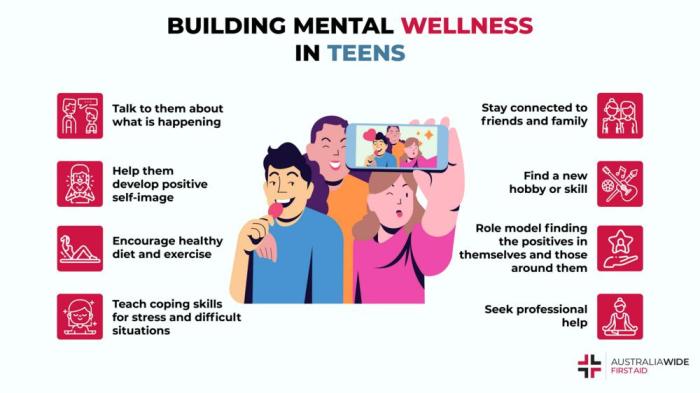
Embark on a journey towards mental well-being and lifestyle balance with our guide tailored for young adults. Explore key strategies and insights to enhance your overall quality of life in this engaging discussion.
Delve into the significance of mental health awareness, lifestyle design, stress management techniques, and creating a supportive environment to nurture your well-being.
Mental Health Awareness
Understanding the importance of mental health awareness is crucial for young adults as it plays a significant role in overall well-being and quality of life.
Strategies for Promoting Mental Health Awareness
- Engage in open conversations: Encourage discussions about mental health to reduce stigma and increase awareness.
- Education and information: Stay informed about mental health issues and share resources with others.
- Practice self-care: Prioritize self-care activities such as exercise, meditation, and relaxation techniques.
- Seek professional help: Encourage seeking help from mental health professionals when needed.
Impact of Mental Health Awareness on Overall Well-being
Mental health awareness can positively impact overall well-being by promoting early intervention, reducing stigma, and increasing access to resources and support. When individuals are more aware of mental health issues, they are better equipped to take care of their emotional and psychological well-being.
Lifestyle Design for Mental Health
Creating a lifestyle that promotes mental well-being is crucial for young adults to navigate the challenges they face. By incorporating key elements of lifestyle design, individuals can positively impact their mental health and overall quality of life.
Key Elements of Lifestyle Design for Mental Health
When it comes to designing a lifestyle that supports mental health, there are several key elements to consider:
- Regular Physical Activity: Engaging in exercise releases endorphins, which can help reduce stress and improve mood.
- Healthy Eating Habits: A balanced diet rich in nutrients can positively impact mental health and overall well-being.
- Social Connections: Building and maintaining strong relationships with friends and family can provide valuable support during challenging times.
- Adequate Sleep: Getting enough rest is essential for cognitive function and emotional regulation.
Examples of Lifestyle Changes for Positive Mental Health
- Practicing Mindfulness: Incorporating mindfulness techniques such as meditation or deep breathing exercises can help reduce anxiety and improve focus.
- Limiting Screen Time: Spending less time on electronic devices can lead to better sleep quality and reduced feelings of isolation.
- Prioritizing Self-Care: Setting aside time for activities that bring joy and relaxation, such as hobbies or self-care routines, can boost mental well-being.
The Role of Routines and Habits in Mental Health Maintenance
Establishing healthy routines and habits can play a crucial role in maintaining good mental health. Consistency in daily habits can create a sense of stability and predictability, reducing feelings of overwhelm and anxiety. By incorporating positive habits into daily routines, individuals can better manage stress and improve their overall mental well-being.
Stress Management Techniques
Stress is a common issue faced by young adults, but there are effective techniques that can help manage and reduce its impact on mental health.
Mindfulness Meditation
Mindfulness meditation involves focusing on the present moment without judgment, which can help reduce stress and anxiety levels. By practicing mindfulness regularly, young adults can learn to better cope with challenging situations and improve their overall well-being.
Physical Exercise
Engaging in regular physical exercise has been shown to be an effective way to reduce stress and improve mood. Whether it's going for a run, practicing yoga, or hitting the gym, incorporating exercise into daily routines can help young adults manage stress levels more effectively.
Healthy Eating Habits
Eating a well-balanced diet rich in fruits, vegetables, whole grains, and lean proteins can have a positive impact on both physical and mental health. Avoiding excessive caffeine, sugar, and processed foods can help regulate mood and energy levels, reducing stress in the long run.
Time Management Strategies
Effective time management can help young adults prioritize tasks, reduce feelings of being overwhelmed, and increase productivity. Creating to-do lists, setting realistic goals, and learning to delegate tasks can all contribute to a more organized and stress-free daily routine.
Social Support Network
Building a strong support system of friends, family, or mental health professionals can provide young adults with the emotional support they need during times of stress. Having someone to talk to and lean on can help alleviate feelings of isolation and anxiety.
Creating a Supportive Environment
Creating a supportive environment is crucial for maintaining good mental health. It can help individuals cope with stress, anxiety, and other mental health challenges more effectively. A supportive network of friends and family, along with a positive physical environment, plays a significant role in promoting mental well-being.
Building a Supportive Network of Friends and Family
Having a strong support system of friends and family members can provide comfort, encouragement, and a sense of belonging. Here are some design strategies for building a supportive network:
- Communicate openly and honestly with your loved ones about your feelings and struggles.
- Seek out friends who are empathetic, understanding, and non-judgmental.
- Join support groups or communities where you can connect with others who may be going through similar experiences.
- Show appreciation for the support you receive and be willing to offer support in return.
Influence of Physical Environment on Mental Well-being
The physical environment can impact mental well-being in various ways. Here are some factors to consider:
- Ensure your living space is clean, organized, and free of clutter to promote a sense of calm and relaxation.
- Surround yourself with positive and uplifting elements such as plants, natural light, and soothing colors.
- Avoid exposure to toxic substances, excessive noise, or other environmental stressors that can negatively affect your mental health.
- Spend time outdoors in nature to boost your mood and reduce feelings of anxiety or depression.
Closure
As we conclude our exploration of mental health and lifestyle design for young adults, remember that small changes can lead to significant improvements in your overall well-being. Take charge of your mental health journey and design a fulfilling lifestyle that supports your growth and happiness.
Question & Answer Hub
How can I promote mental health awareness in my daily life?
To promote mental health awareness daily, consider openly discussing mental health, sharing resources, and practicing self-care routines.
What lifestyle changes can positively impact mental health?
Lifestyle changes like regular exercise, healthy eating habits, sufficient sleep, and mindfulness practices can positively impact mental health.
How can I create a supportive network of friends and family?
Create a supportive network by fostering open communication, setting boundaries, and being there for your loved ones in times of need.